
Packing & Fitness
A little preparation turns a tough trek into a brilliant one. This page tells you honestly how demanding the day is, how to get yourself ready, and exactly what to bring, so you can spend the trek looking at gorillas, not worrying about your boots.
How Hard is it?
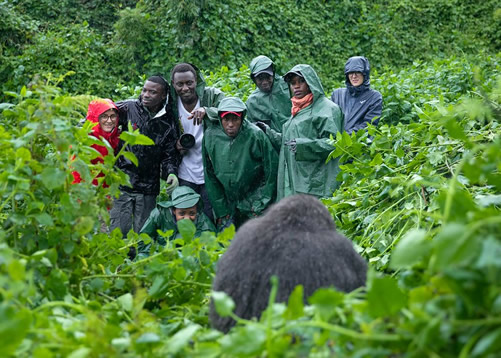
We’ll be straight with you: gorilla and chimpanzee trekking is moderate to challenging. You’re walking off-formed trails through dense, hilly rainforest, often at altitude, and frequently in mud. Depending on where the primates have wandered, the round trip can take anywhere from under an hour to a full day, with most treks landing somewhere in between.
But here’s the encouraging part: fitness matters far more than age. We’ve guided travelers well into their seventies to wonderful encounters, while much younger, less-prepared visitors have found it harder than they expected. If you can comfortably manage a few hours of uphill walking with breaks, you’ll do beautifully, and your guide sets a steady, manageable pace with plenty of pauses.
Two things that make the day much easier:
- Hire a porter. For a small fee, a local porter carries your daypack and offers a steady hand on slippery climbs. It makes a real difference, and it’s a meaningful way to support the surrounding community.
- Take your time. This isn’t a race. The gorillas aren’t going anywhere, and neither is your guide.
Minimum age: trekking to gorillas requires travelers to be at least 15 years old in both Uganda and Rwanda. Age rules for chimpanzee trekking and other activities can differ, we’ll confirm the specifics for your chosen experience. If anyone in your group has limited mobility or a health concern, tell us in advance and we’ll advise on what’s possible.
Getting Ready For the Trek
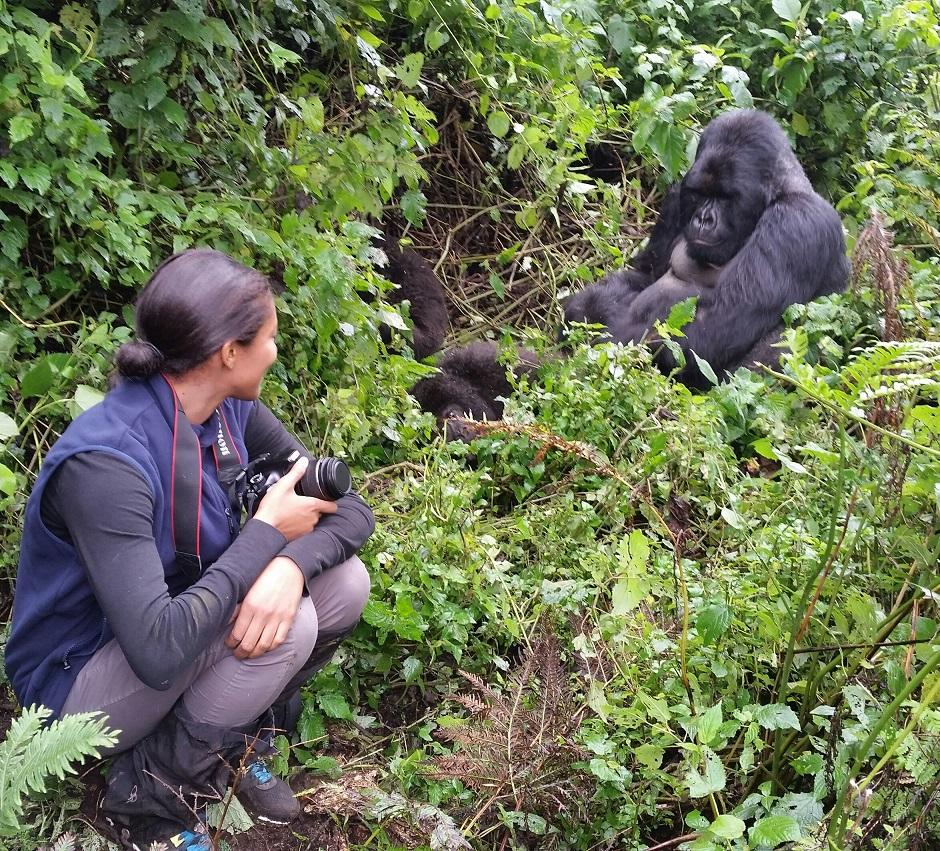
You don’t need a training program, just a bit of gentle preparation in the four to six weeks before you travel will pay off:
- Take regular walks, gradually adding hills or stairs.
- Try a few longer walks carrying a daypack, so the weight feels familiar.
- Break in your hiking boots thoroughly before the trip. Never trek in brand-new boots.
Go at whatever level feels right for you. The goal is simply to arrive feeling confident on your feet.
What to Pack
The essentials
- Waterproof hiking boots with ankle support, well broken in
- Rain jacket (and rain trousers if you have them): showers are possible any time
- Long-sleeved top and long trousers: protection from nettles, thorns, and sun
- Thick socks (wool or synthetic cotton stays wet)
- Gardening or work gloves: for grabbing vegetation on steep, thorny sections
- Gaiters: keep mud, and the odd safari ant, out of your boots
- Sun hat and sunglasses: the equatorial sun is strong at altitude
- Small daypack for the items below
- Water (at least 2 litres) and a few energy snacks
- Insect repellent
Good to have
- Trekking pole: easier on the knees, especially descending
- Binoculars: for birds and distant wildlife
- A dry bag or zip-lock bags: to keep electronics safe from rain
- A light fleece or layer: for cool mornings
Camera & photography
- A telephoto lens helps in the dense canopy, but a phone still captures wonderful moments
- Rain protection for your gear and spare batteries (cold and humidity drain them)
- No flash: flash photography near the gorillas is not permitted
Documents & money
- Passport and any visas
- Travel and medical insurance: we strongly recommend a policy that covers trekking
- Cash for porters, tips, and incidentals
- Your permit and trip documents, though we secure and manage these for you