
Before Booking Your Primate Safari.
Before you step into the forest, we want you to feel completely ready. Here’s everything you need to know before booking a gorilla or chimp trek. Permits, best season, packing lists, fitness guide, FAQs, and more.
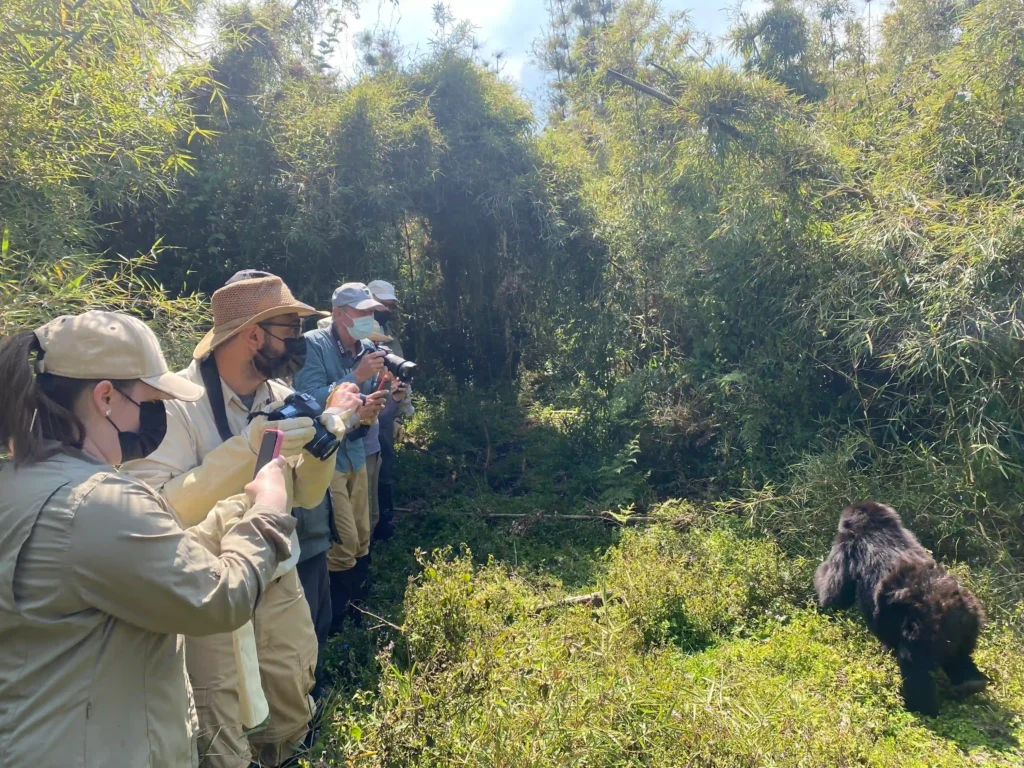
Four Essential Guides
Best Time to Visit Dry season or green season, peak or quiet, high permit demand or hidden gem dates. Understand the seasons and pick what suits you.
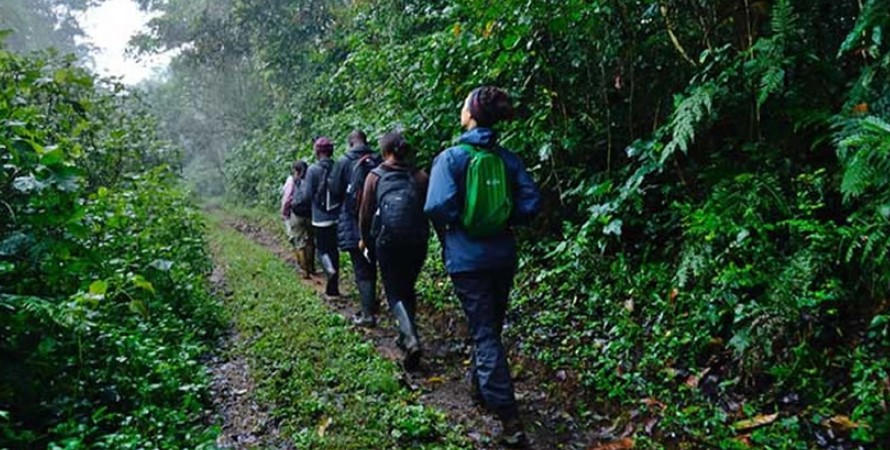
Packing & Fitness
How fit do you need to be? What exactly to pack? An honest difficulty assessment and a complete packing checklist.
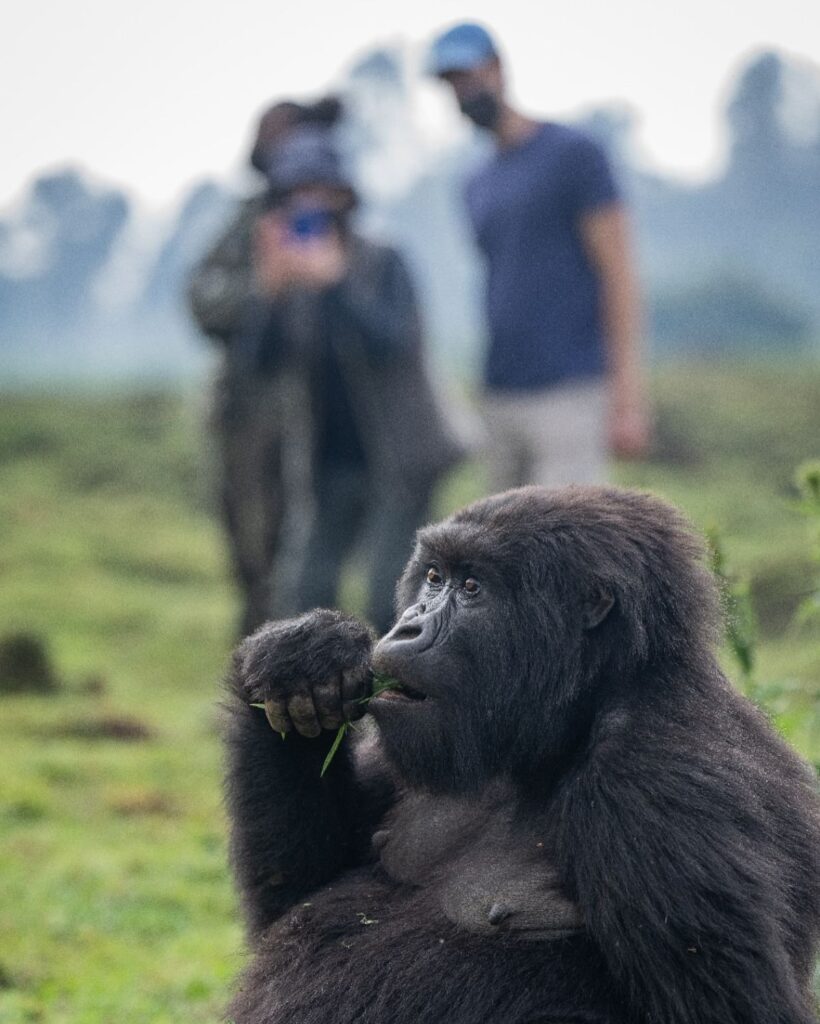
Permits & Booking
How permits work, what they cost, how far ahead to book, and how we secure everything for you. The complete process explained.
Safari Terminology
A handful of words and concepts will come up repeatedly on your trek and throughout your safari. This glossary explains them so you arrive confident in the language.
Arboreal Describes an animal that lives in trees. Colobus monkeys and many others are highly arboreal, spending most of their time high in the canopy.
Colobus Agile, acrobatic monkeys with long tails and flowing body hair. Black-and-white colobus are spectacular, while red colobus are smaller and more elusive. The name comes from a Greek word meaning “mutilated” (they have no thumbs, an adaptation for life in the trees).
Endemic A species found nowhere else on Earth. The Albertine Rift (the highlands shared by Uganda, Rwanda and the DRC) is especially rich in endemic birds and some primate species.
Habituation The process of gradually accustoming wild animals to the presence of humans, through patient, non-threatening exposure over months or years. The gorilla and chimp families you trek to are habituated, meaning they’ve been visited by humans daily for years and are calm in our presence.
Habituation experience A full-day encounter with a gorilla family or chimpanzee community, following researchers and trackers from early morning onward. More immersive and demanding than a standard trek.
Silverback An adult male gorilla, named for the distinctive silver hair that develops on his back and sides as he matures. The silverback is the family’s protector, leader and sire of most offspring.
Tracker An expert field staff member who spends every morning with the gorilla or chimp families, radioing their location back to the guides. Trackers are invaluable and deeply knowledgeable about individual animals and family dynamics.
TREK & PARK TERMS
Briefing The ranger meeting that happens each morning before you set off, where you’re matched to a specific gorilla or chimp family, meet your guide and trackers, and receive essential safety guidance.
Buttress root The wide, flange like roots many rainforest trees develop for extra support in the boggy soil. They’re often used by chimpanzees as drumming surfaces.
Canopy The thick upper layer of the forest formed by the crowns of the tallest trees. Binoculars are useful for spotting primates high in the canopy.
Dry season The months with the least rainfall (roughly June to September and December to February in this region), when trails are firmer and skies are clearer.
National park A protected area managed by the government for conservation and tourism. All four of our main destinations are national parks (Bwindi, Mgahinga, Kibale and Volcanoes NP).
Park entry The fee paid to enter a national park, in addition to your gorilla or chimpanzee permit. It’s usually small and is included in your trip arrangements.
Porter A local staff member who carries your daypack and helps on steep or slippery sections of the trek. Hiring a porter is optional but recommended, and it’s a meaningful way to support the local economy.
Ranger A government staff member employed by the national park to manage and protect the forest and its wildlife. Rangers guide treks and enforce park rules.
Trail The path through the forest, often muddy, steep and overgrown. It’s not a formal hiking trail but a route established by years of trackers walking the same routes.
Trek The guided walk to find the primates. A gorilla trek usually takes a few hours; a chimpanzee trek often takes two to four hours.
LOGISTICS & TRAVEL
Airport transfer Transport from the airport to your accommodation, included in your trip arrangements.
All-inclusive Everything needed for your trip is covered in one price: permits, accommodation, transfers, food, guide and support. No hidden costs or scrambling for extras.
Conservation area A protected landscape, often smaller and less strictly regulated than a national park, but still managed for wildlife and community benefit. The Bigodi Wetland Sanctuary near Kibale is an example.
Ground transfer Overland transport by vehicle, as opposed to flying. All our transfers between towns and parks are ground transfers by comfortable safari vehicle.
Inclusions The things covered in your trip price. For gorilla treks, this typically means permits, accommodation, transfers, guide and documentation support.
Itinerary Your day-by-day schedule from arrival to departure. We customise it around your safari activities and preferences.
Lodging Your accommodation during the trip. We match you to lodges that suit your comfort level and budget.